Top or Bottom Bunk Bed: A Cozy Embroidered Scene
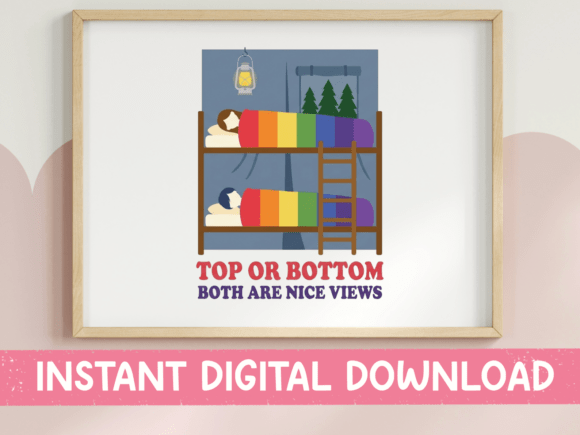
When you're sorting through embroidery files for a project, the first impression is everything. This Top or Bottom Bunk Bed SVG design lands with a quiet, cozy charm. It's not a loud graphic; it’s a little narrative snapshot. The cabin scene, with two figures tucked into their bunks, the rainbow-striped ladders, those pine trees through the window, and that softly glowing lantern—it all creates a mood of peaceful retreat. The layout is balanced and intimate, with a detail level that feels inviting rather than overwhelmingly intricate. Immediately, I thought of it not as a bold statement piece, but as a personal, heartfelt detail for a handmade product.
Where This Design Finds Its Home
This design feels destined for projects where the story matters. Picture it stitched onto a heavyweight cotton tote bag, the kind someone uses for library trips or weekend adventures. The scene becomes a personal emblem. On a soft, high-quality sweatshirt, it transforms into a cozy, wearable sentiment, perfect for a boutique focusing on comfort and nostalgia. For a personalized baby gift, like a keepsake blanket or a simple burp cloth, the gentle scene and rainbow accents could be wonderfully sweet without being overly saccharine. As an embroidered patch, it could adorn a backpack or a journal cover, adding a custom touch. I can easily see it on a linen apron for a crafty friend or a simple pillow cover in a guest room—it’s that kind of versatile, warm graphic.
The Practical Stitch: Considerations for Real Projects
As an embroidery file, its success hinges on translating those illustrative details into clean stitches. The lantern’s glow, the tree outlines, and the striped ladders are the charming elements that need to hold up under the needle.
First, stitch density. Areas like the lantern glow and the bunk bed blankets will likely use fill stitches. You’ll want to ensure these aren’t so dense that they make a stiff, bulky area on lighter fabrics like t-shirts or baby garments. On sturdier items like tote bags or pillow covers, this is less of a concern. The rainbow stripes on the ladders and the pine tree details will probably involve satin stitches or running stitches—these need good thread color contrast to pop, especially against darker backgrounds.
Fabric choice is key. This design, with its mix of fills and finer details, would sing on stable, medium-weight fabrics like cotton twill, linen, or a good quality sweatshirt fleece. On very thin or stretchy fabrics, managing the detail clarity, particularly in the smaller window and lantern areas, could be tricky without the right stabilizer. Embroidering it on a curved surface like a cap would require careful testing; some of the longer horizontal elements (the bunks) might need adjustment to look natural on that shape.
Navigating the Smaller Details
The real test for a design like this is in the smaller features. The pine trees through the window and the figures in the bunks are lovely details, but they are relatively small within the overall scene. On a very small hoop size, these elements might lose definition or become blurry clusters of stitches. Always, always test on scrap fabric first. Run a sample, especially if you plan to use it on a dark fabric, to see how the thread colors interact and whether those interior details remain distinct. A black and white mockup can help you visualize the contrast, but the real stitch test is irreplaceable.
How It Elevates Your Finished Product
From a craft business perspective, this design adds value through its emotional resonance. On a custom apparel item in your Etsy shop, it tells a quiet story. It feels handmade and thoughtful, which builds customer trust and elevates your brand above generic, mass-produced graphics. As a holiday gift—perhaps an embroidered tea towel for a new homeowner or a pillow for a child’s room—its giftability is high because it’s unique and personal. For commercial embroidery projects, like a small batch of sweatshirts for a boutique, it offers a professional, cohesive look that’s still approachable and friendly.
Its recognition factor isn’t about trends; it’s about mood. A customer looking for something nostalgic, cozy, or subtly whimsical will connect with it immediately. That engagement is genuine, which is far better than any hyped-up, fleeting trend.
A Designer's On-the-Hoop Notes
Before you commit this Top or Bottom Bunk Bed SVG to a final product, here’s my practical checklist. Test it on both a light and a dark background scrap to finalize your thread palette. Review the stitch density in your machine embroidery software—if areas seem overly dense for your target fabric (like a baby onesie), you might consider simplifying or adjusting. Confirm the minimum hoop size that keeps all details crisp. Inspect the small details in your test piece: are the rainbow stripes clear? Does the lantern glow look soft, not muddy?
Use a stabilizer appropriate for your fabric. This is non-negotiable for preserving the design’s integrity, especially on apparel. Crucially, check the licensing terms for this graphics file before you sell any finished items or incorporate it into your digital product offerings. Ensure your use—whether for personal projects, handmade shop merchandise, or digital design assets—is fully covered.
Finally, think about longevity. Products like tote bags or pillow covers that will see use and washing need a robust stitch construction. Make sure your test piece can handle a gentle wash cycle without the finer details fraying or pulling. This upfront work transforms a charming digital embroidery file into a reliable, beautiful finished product that you, or your customer, will love for years.