An Earth Day Rainbow Perfect for Embroidery
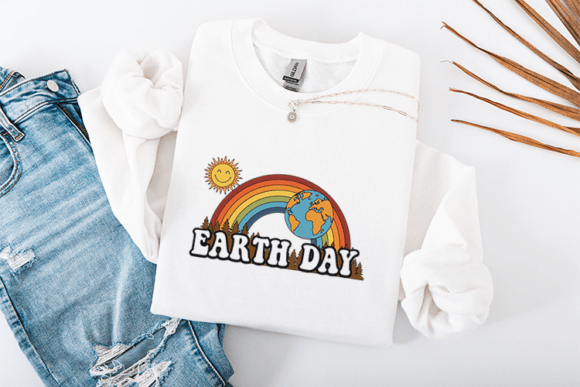
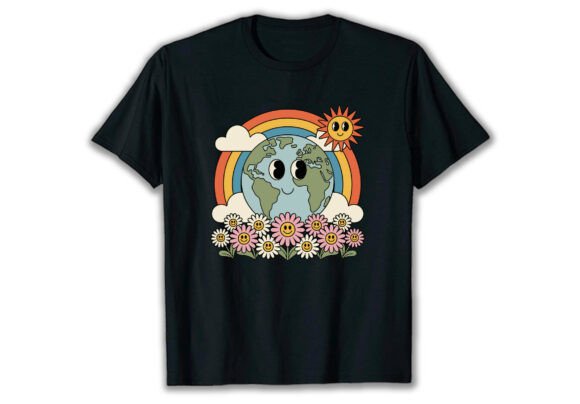
I’m looking at the Retro Earth Day Rainbow T Shirt Design on my screen, considering it not as a digital file, but as a potential stitch-out. This is the moment where a graphic becomes a real, tactile product—something I could place on a custom sweatshirt for a boutique client or a tote bag for a craft fair. The first impression is warm, hopeful, and unmistakably nostalgic. It has that soft, rounded, illustrative feel that suggests a cheerful, handmade product rather than a harsh graphic print.
The Mood It Creates for Handmade Projects
The layout is classic: a central Earth illustration nestled under a gentle rainbow arc. The retro styling, with its simple lines and uncomplicated forms, is its greatest strength for us embroidery designers. This isn’t a hyper-detailed illustration that will turn into a dense, stiff patch of stitches; it’s a shape-driven design. That means it will translate beautifully into satin stitch borders and clean fill stitch areas. The mood is universally positive—it feels like a gift, a statement of care, which is exactly what we want for personalized gifts and small shop merchandise.
Where This Design Finds Its Natural Home
This embroidery file feels destined for soft, cozy applications. Picture it on the left chest of a heavyweight cotton sweatshirt, or centered on a canvas tote bag. I can immediately see it working wonderfully for baby items, like a gently embroidered motif on a nursery blanket or a little knit hat. Its friendly, non-aggressive personality also makes it a fantastic candidate for home goods: a tea towel, a pillow cover for a sunroom, or an apron. For a crafter or Etsy seller, these are the products that tell a story and connect with a buyer looking for a meaningful, handmade presentation.
For holiday gifts, particularly around Earth Day or as a general “thinking of you” spring gift, this design is a ready-made solution. The commercial embroidery potential is clear for any small business wanting to create a line of themed merchandise—think a local coffee shop’s staff shirts or a community garden’s volunteer caps. The editable nature of the file, as noted in the product details, is crucial here. Being able to adjust colors means you can adapt it to your brand palette or a client’s specific request.
Navigating Real-World Stitching Scenarios
In practice, this retro rainbow and Earth design will perform best on stable, medium-weight fabrics. A cotton tee, a linen tote, a denim shirt—these are its ideal canvases. The shape is generous and open, so stitch clarity should be excellent. However, let’s think through some careful applications.
On very stretchy fabric, like a thin jersey tee, you’ll need excellent stabilizer to keep those rounded rainbow lines smooth. On dark fabric, the thread color contrast becomes everything; you’ll want to test the editable color palette against your dark background mockup to ensure the cheerful mood isn’t lost. The small details, like the little landforms on the Earth, are charming, but on a very small hoop size—say for a baby item—you might need to simplify or ensure your machine can handle that detail level without bunching.
Curved surfaces like caps can be tricky with wider designs. The rainbow arc might need careful placement to sit perfectly on the crown. And for products destined for frequent washing, like kitchen towels or everyday sweatshirts, you’ll want to consider a robust stitch density in the fill areas to ensure longevity. This is where testing on scrap fabric first is non-negotiable.
How This Design Elevates Your Finished Product
From a business perspective, a well-embroidered version of this design adds significant perceived value. It looks intentional and crafted, which builds customer trust in your handmade brand. For an apparel decorator, it’s a versatile design asset that can be scaled and colored to fit a client’s vision, enhancing your professionalism. As a gift, it’s instantly recognizable and positive, boosting its giftability. For an Etsy seller creating printable mockups or listing a finished embroidered pillow, it provides a strong, engaging visual that tells a complete story.
Its commercial use seems straightforward given the file formats provided—AI, EPS, SVG, PNG—which cover everything from machine embroidery file preparation to digital product previews. But a practical note: always confirm the specific licensing for your intended use before selling finished items or digital products. The description indicates broad use, but verifying this is a step that protects your craft business.
A Designer’s Practical Notes Before Hooping Up
My process for a design like this always starts in black and white. I’ll open the editable file and view it without color to check the fundamental shapes and overlaps. This tells me if the composition will hold up as pure stitchwork. Then, I’ll play with the color changeable features. Does the rainbow need high-contrast thread colors to pop on a light fabric, or more muted tones for a vintage look on a tan tote bag? I’ll compare both.
Fabric texture is a major player. This design would look beautiful on a textured knit, like a sweater, but might require a different stabilizer strategy than on smooth canvas. For patches, the design’s closed shapes are perfect—it could be stitched as a standalone embroidered patch with a clean border.
Finally, I think about the end viewer. A customer holding an embroidered tea towel with this retro Earth Day rainbow isn’t thinking about stitch count or file formats. They’re feeling the handmade care, the cheerful message, and the quality of the object. That’s the real test of an embroidery design. This one, with its warm retro vibe and simple, strong forms, passes that test visually. With careful technical preparation—the right stabilizer, appropriate hoop size, and thoughtful thread color selection—it will pass it physically, becoming a beloved custom apparel item or a standout piece in your small shop product line.